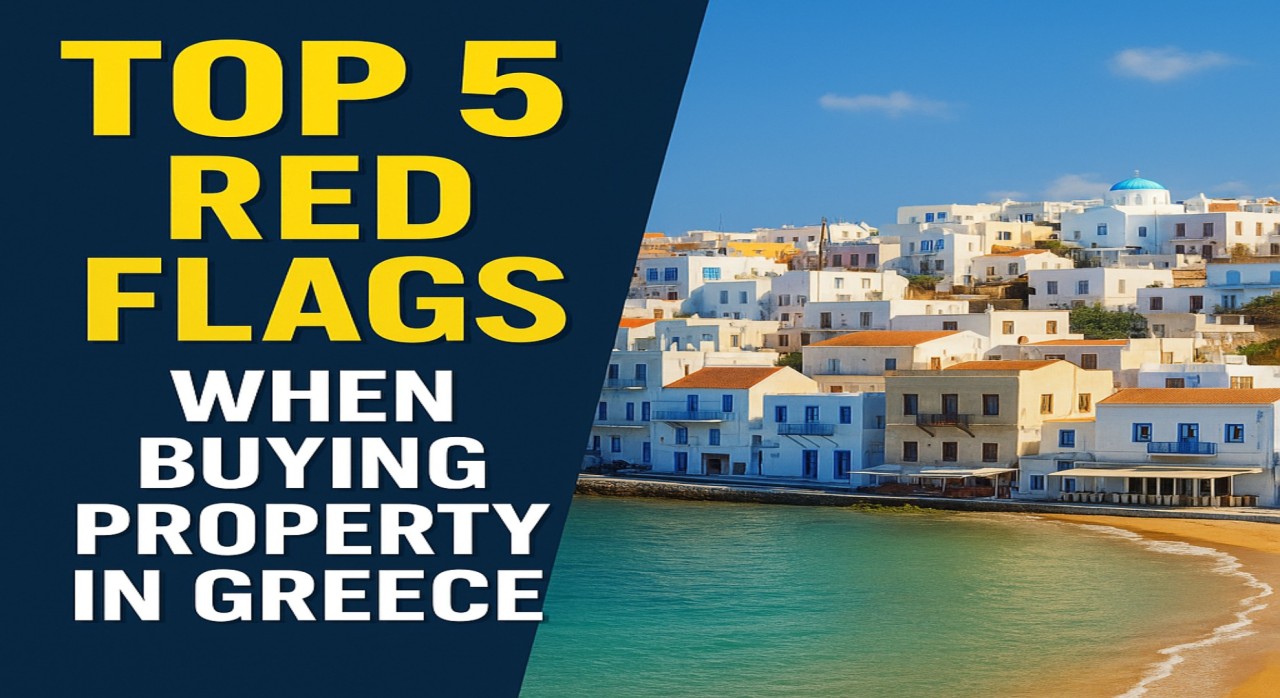
Top 5 Red Flags When Buying Property in Greece
Buying a property in Greece can be a smart move — but only if you know what to avoid.
The market is full of opportunities, but also full of traps for buyers who don’t understand how things work.
Here are the 5 biggest red flags you should never ignore when buying property in Greece in 2025.
1. Unclear or Problematic Ownership Titles
If you see:
old, incomplete, or unclear contracts
shared ownership between many relatives
missing registration in the Land Registry
mortgages, liens, or outstanding debts
Stop immediately.
Greece still has properties with unresolved ownership issues, and these can block the entire sale.
What to do:
Always request a full legal check by a real estate lawyer before paying any deposit.
2. Illegal Constructions or Unapproved Expansions
Very common in Greece.
Red flags include:
extra rooms that don’t appear on the floor plan
enclosed balconies
converted basements
extensions not shown in the official building permit
If these have not been legalized, the sale can be blocked or you may face high fines later.
What to do:
Ask for a mechanical engineer’s certificate confirming everything is legal.
3. A Price That Seems Too Good to Be True
When a property is far cheaper than the market average, there is always a reason.
Possible issues:
no access to electricity or water
plot falls in a non-buildable zone
outdated structure requiring major renovation
disputes between owners
poor access roads or infrastructure problems
Cheap in Greece often means “hidden problems.”
4. Pre-1980 Buildings With No Structural or Energy Updates
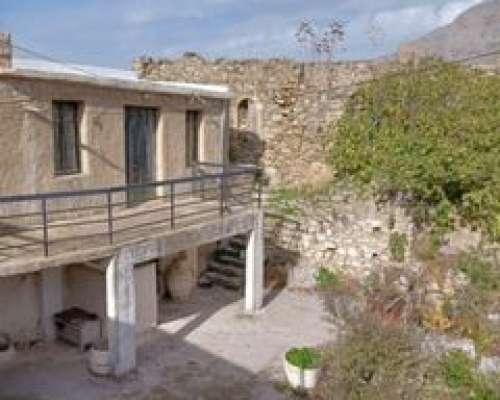
Older Greek properties can be charming — but risky.
Common issues:
low energy efficiency
outdated electrical systems
moisture or insulation problems
structural concerns
high renovation costs
It’s not a “no,” but you need a proper technical inspection before proceeding.
5. Sellers or Agents Pushing for a Fast Decision
If the seller or agent:
pressures you to decide quickly
asks for a deposit without paperwork
avoids providing documents
gives vague or inconsistent answers
This is a red flag.
Good properties in Greece sell, but they don’t require aggressive pressure tactics.
Final Thoughts
The riskiest properties are not the ones that look bad —
they’re the ones that look perfect but hide legal, structural, or ownership problems.
Avoiding these five red flags will save you time, money, and serious stress.