The Truth About Seafront Property in Greece (What Nobody Tells You)
Owning a seafront property in Greece sounds like the ultimate dream.
Infinity views, sunsets over the Aegean, direct beach access.
But behind the beauty, there are realities most buyers never hear about.
If you are considering buying seafront property in Greece in 2026, here’s the truth — the good and the challenging.
1. True Seafront Property Is Rare — and Limited
In Greece, strict coastal zoning laws protect the shoreline.
This means:
You cannot build directly on the water in most cases
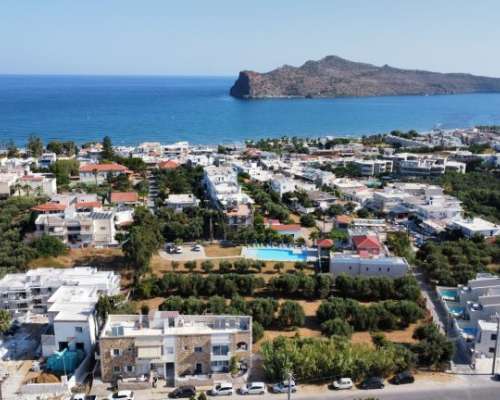
Many “seafront” listings are actually second-line properties
New construction near the coast is heavily restricted
This is good for long-term value (limited supply) — but it also means genuine beachfront properties are rare and priced accordingly.
2. Maintenance Costs Are Higher Than You Expect
Salt air is beautiful — but destructive.
Over time it affects:
metal structures
railings
air conditioning units
electrical systems
exterior paint
Seafront homes require more frequent maintenance than inland properties.
Annual upkeep can be significantly higher.
3. Insurance and Environmental Risk Matter
While Greece is generally safe, coastal areas can face:
erosion
storm exposure
humidity damage
stricter building regulations
Insurance premiums may be higher depending on location.
Not all beaches are stable long-term. Some areas shift over time.
4. Access and Infrastructure Are Not Always Ideal
Many coastal properties:
are far from hospitals
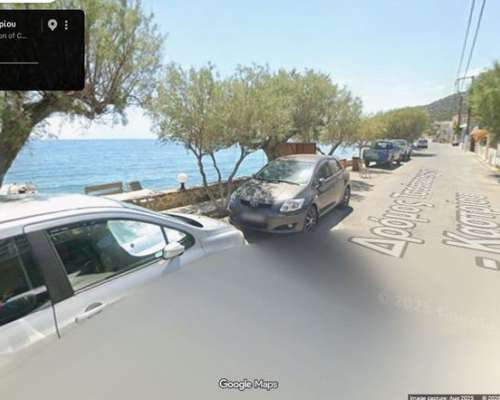
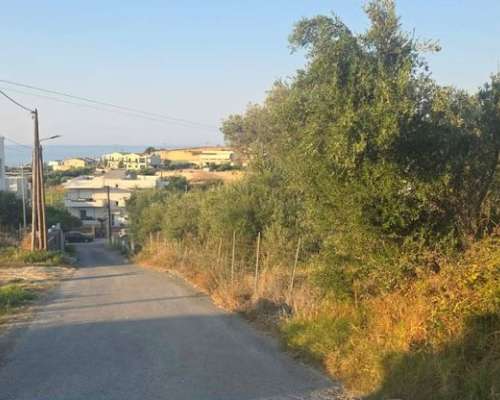
have narrow access roads
may lack sewage infrastructure
experience seasonal water pressure issues
The view may be perfect — but the logistics may not.
5. Resale Liquidity Depends on Location
Not all seafront properties are equal.
Prime zones like:
Athens Riviera
Chania (Crete)
Paros
Lefkada
have strong resale demand.
But remote or isolated coastal homes can take years to sell.
Liquidity depends more on accessibility than on the sea view alone.
6. Rental Income Is Seasonal
Seafront properties perform exceptionally well in summer.
But in many areas:
Income is concentrated between May and September
Winter demand drops significantly
Cash flow can be uneven
Unless the property is in a year-round city, income stability varies.
So… Is Seafront Property Worth It?
Yes — if:
You buy in the right location
You understand maintenance costs
You plan long-term
You are not relying purely on short-term income
No — if:
You expect zero risk
You ignore infrastructure
You buy only for emotion
The dream is real.
But so are the realities.
Final Verdict
Seafront property in Greece is one of the strongest long-term assets — because supply is limited and demand never disappears.
But the smart investor looks beyond the view.
Location, access, structural quality, and long-term liquidity matter more than the sunset.
«Smart Buyers Search Differently.»